


Rusty Rae: Land of the free, home of the brave
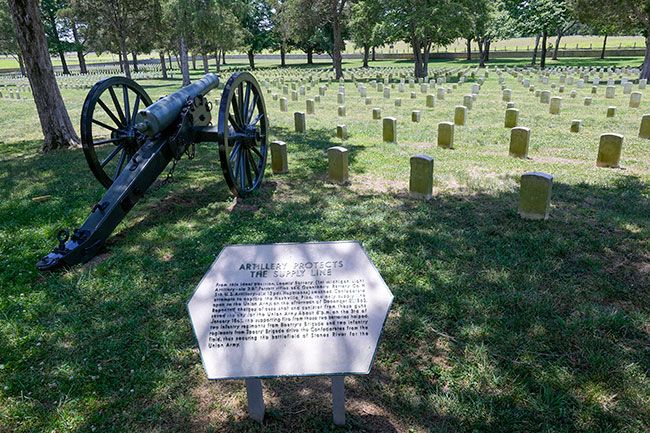
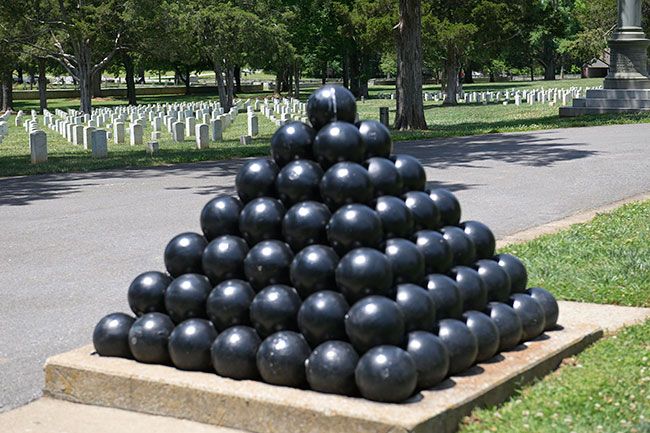

MURFREESBORO, Tennessee — The message of Memorial Day is never far away when visiting a battlefield. That’s true whether it’s the sands of Iwo Jima, the beaches of Normandy or a battlefield from the Civil War.
Last week, I visited the Stones River National Battlefield near Murfreesboro with my partner, who’s working on a historical novel in which a major portion of the story is built around the bloody engagement that played out here during the Civil War.
There is an ethereal beauty emanating from Stones River, particularly when viewing the on-site cemetery, where more than 6,000 union soldiers are buried.
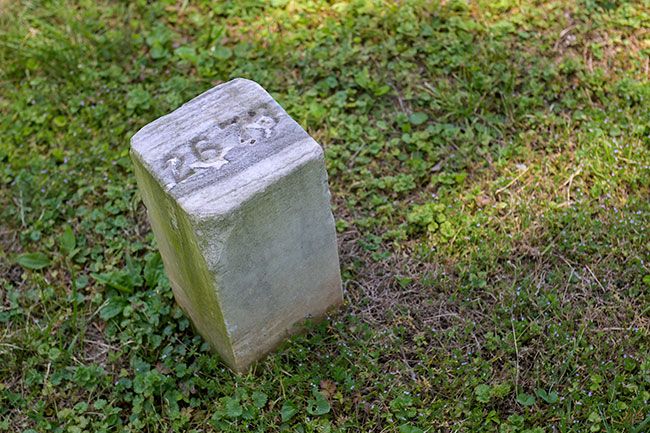
You see rows of headstones interspersed with square pegs marking the graves of unknown soldiers. In fact there are more than 2,000 such graves at Stones River.
But even 2,000 miles away from home, the facts of the battle brought me back to Yamhill County.
Let me first set the scene for the Battle of Stones River, which lasted from New Year’s Eve of 1862 though Jan. 3 of 1863.
In July 1862, Confederate forces banished the Union army from nearby Murfreesboro. It was a minor skirmish by Civil War standards, but a triumph, nevertheless for the Southern forces.
In December of that year, the Union forces suffered a much more devastating and demoralizing loss at the Battle of Fredericksburg.
The Union’s Army of the Potomac, under command of Maj. Gen. Ambrose Burnside, was defeated by the Confederate Army of Northern Virginia, under command of General Robert E. Lee. It is remembered as one of the most one-sided battles of the Civil War.
President Abraham Lincoln signed a preliminary Emancipation Proclamation on Sept. 22, 1862, announcing his plans to free the slaves. He made it official on Jan. 1, 1863, while the Battle of Stones River was still underway, further enraging the forces of the Confederacy.
In the midst of all too many recent Union defeats, Lincoln took note of the victory at Stones River in remarks to the winning general, West Pointer William “Old Rosy” Rosecrans, saying, “I can never forget, whilst I remember anything, that about the end of last year and the beginning of this, you gave us a hard-earned victory, which, had there been a defeat instead, the nation could scarcely have lived over.”
While traipsing around the battlefield, I found this note from the Confederate side: “When the battle was over, the prisoners (Union soldiers) were taken to McMinnville.”
Wow! Recall that it was William T. Newby, arriving over the Oregon Trail in 1843, who platted our fair town in 1856 in honor of his hometown of McMinnville, Tennessee.
Here’s another connection.
As the battle ebbed and flowed, it was Gen. Phil Sheridan who saved the day. Sensing the potential for a Confederate attack, Sheridan ordered his men fed an early breakfast and made ready for a fight.
When the Confederates struck at dawn, whole regiments of blue dissolved.
While thousands of others turned and ran, Sheridan’s men held the line for two hours, fighting until they ran out of bullets. Their will to fight bought time for Union forces to regroup along a new battle line flanking the Nashville Pike.
Local historians will remember Sheridan was stationed in Oregon from 1856 to 1861, posted to nearby Fort Yamhill. He was a frequent visitor to the nearby home and general store of Absolom Faulconer.
When “Ab” platted and recorded a new townsite on his family land, he chose the name of the now heroic Civil War general to pay tribute to his former neighbor and friend, dubbing it Sheridan.
Monday, we remember those who made the ultimate sacrifice in the many battles that give us our freedoms today.







Comments